Meet Minsu: The Pastry Chef Behind Crumb’s Monthly Specials
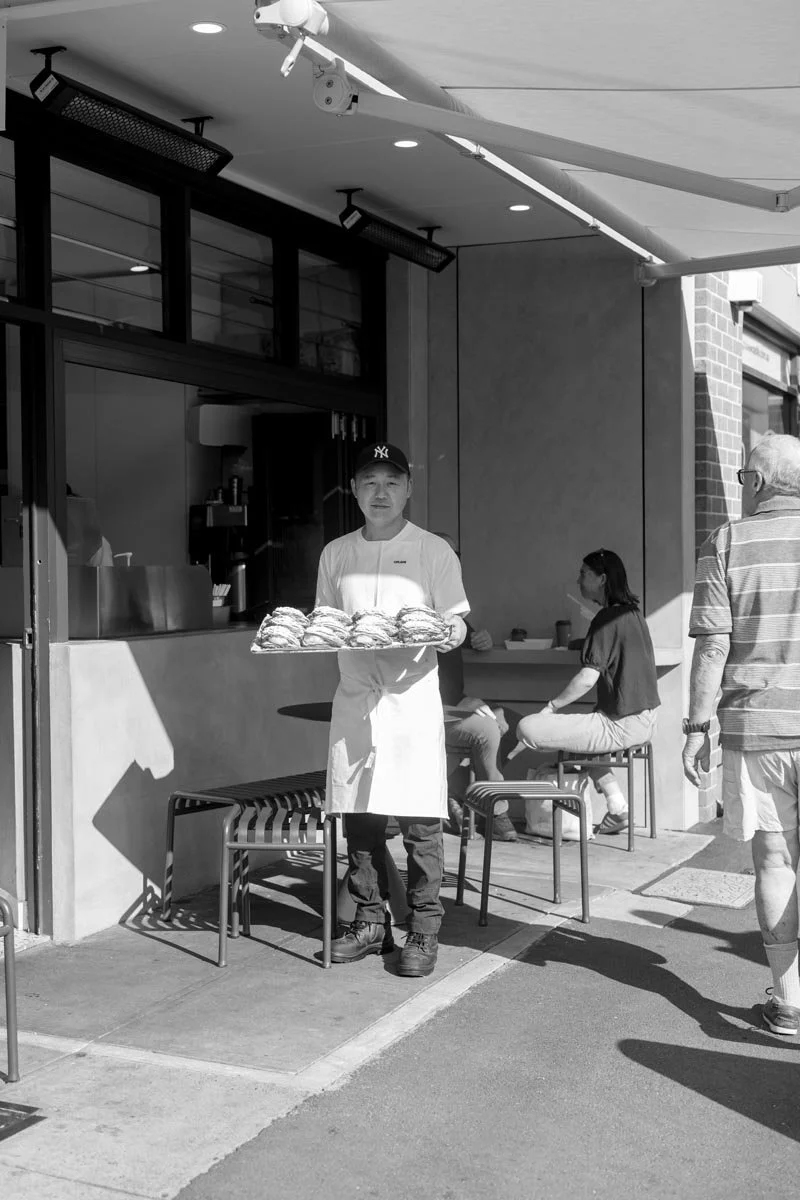
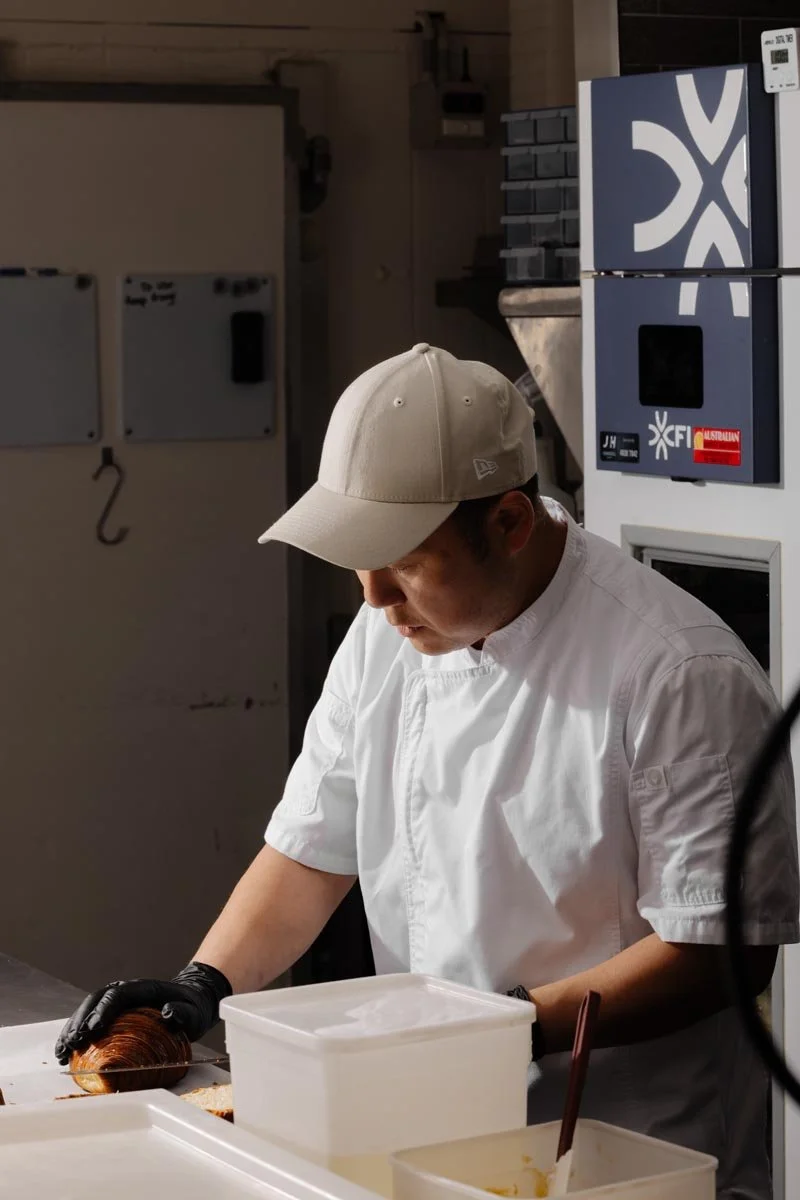
After more than 15 years working in pastry kitchens across Australia, studying in South Korea and working at Bambam’s in Brisbane, Minsu moved his family to Newcastle to join the team at Crumb.
What excites him most about pastry isn’t just making great products. It’s understanding why things work, continually learning, and creating pastries that people remember long after the last bite.
We sat down with Minsu to talk about his journey into pastry, the science behind a great croissant, and what he hopes people feel when they eat something he’s made.
What drew you to pastry/the kitchen in the first place?
Honestly, I wasn’t interested in working in kitchens at first. I originally started because I needed a visa. But while studying at TAFE, I realised I had a natural talent for pastry. I found that I was making products better than many of my classmates, and that gave me the confidence to pursue it seriously.
What’s something people don’t realise about making pastries at this level?
Pastry is heavily influenced by external factors such as room temperature and humidity - things that are often difficult to control. Understanding how these factors affect your products is essential if you want to achieve the same level of quality every day.
What’s your favourite part of the morning bake?
When the plain croissants come out of the oven. A great croissant is the result of every step being done properly - from the dough and lamination to shaping and fermentation. When everything comes together perfectly, it’s incredibly satisfying.
What’s one flavour or ingredient you always come back to?
Caramel. I love desserts that use caramel because, when balanced properly, it brings sweetness, bitterness and richness together. It’s incredibly versatile and works beautifully across many different desserts.
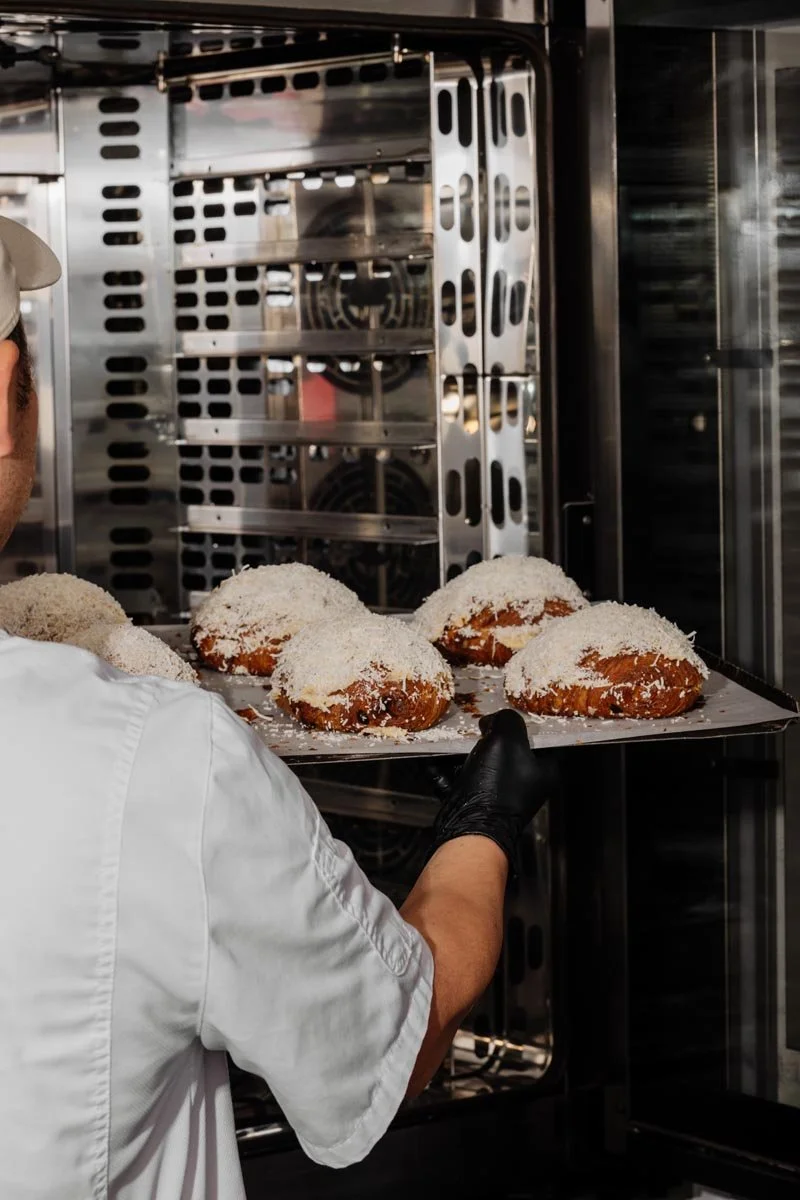
“A great croissant is the result of every step being done properly - from the dough and lamination to shaping and fermentation. ”
What kind of food do you love eating on your days off?
On my days off, I always have the same breakfast: fried eggs, avocado, a piece of bread and a long black.
What made Crumb feel like the right fit for you?
One of the things I love most about Crumb is introducing two special products every month. It’s not an easy task, but I genuinely enjoy the process. It pushes me to study, research and exchange ideas with other pastry chefs. Developing new menu items is one of the most rewarding parts of the job.
What’s something you care about in a kitchen culture?
Respect is the foundation of everything in the kitchen. It’s how we communicate, how we handle pressure and how we support each other during production. Without it, nothing really works, no matter how skilled the team is.
What’s a pastry people should never underestimate because it looks simple?
A croissant. It looks simple, but it’s one of the most technical pastries to get right. Lamination, fermentation, temperature control and timing all have to be precise. Even small mistakes show up in the final product.
Coffee order?
I usually order a cappuccino.
What’s one thing you hope people feel when they eat something you’ve made?
I hope they enjoy the same level of satisfaction from the first bite to the last. Consistency in flavour and experience is something I care deeply about.
You spent time studying in South Korea after 10 years in Australian pastry kitchens. What did that change about the way you think about pastry?
After doing the same work every day, I often found myself questioning why certain ingredients and processes were necessary. Before, I didn’t have a place to explore those questions. Studying in Korea helped me understand the reasons behind them.
Now I can identify unnecessary steps, strengthen the important ones and develop recipes more thoughtfully. That experience has been invaluable in menu development.
Was there anything about Korean baking culture that surprised you?
Korean bakery culture is very detail-oriented and trend-sensitive. There’s a strong focus on refinement, consistency and visual impact, often influenced by both French and Japanese baking techniques, as well as modern café culture.
What did you take from working at Bambam’s?
I’ve been baking for over 15 years, and I thought I had seen most techniques by then. But while working as a sous chef at Bambam’s, I came across methods used by the head chef that I had never seen before.
It was refreshing and reminded me that, no matter how long you’ve been in this industry, there’s always more to learn.
What kind of kitchen environment do you try to create?
I try to create a kitchen environment built on respect, consistency and clear communication. It should be structured enough to maintain high standards, while also being a place where people feel comfortable learning, asking questions and growing.
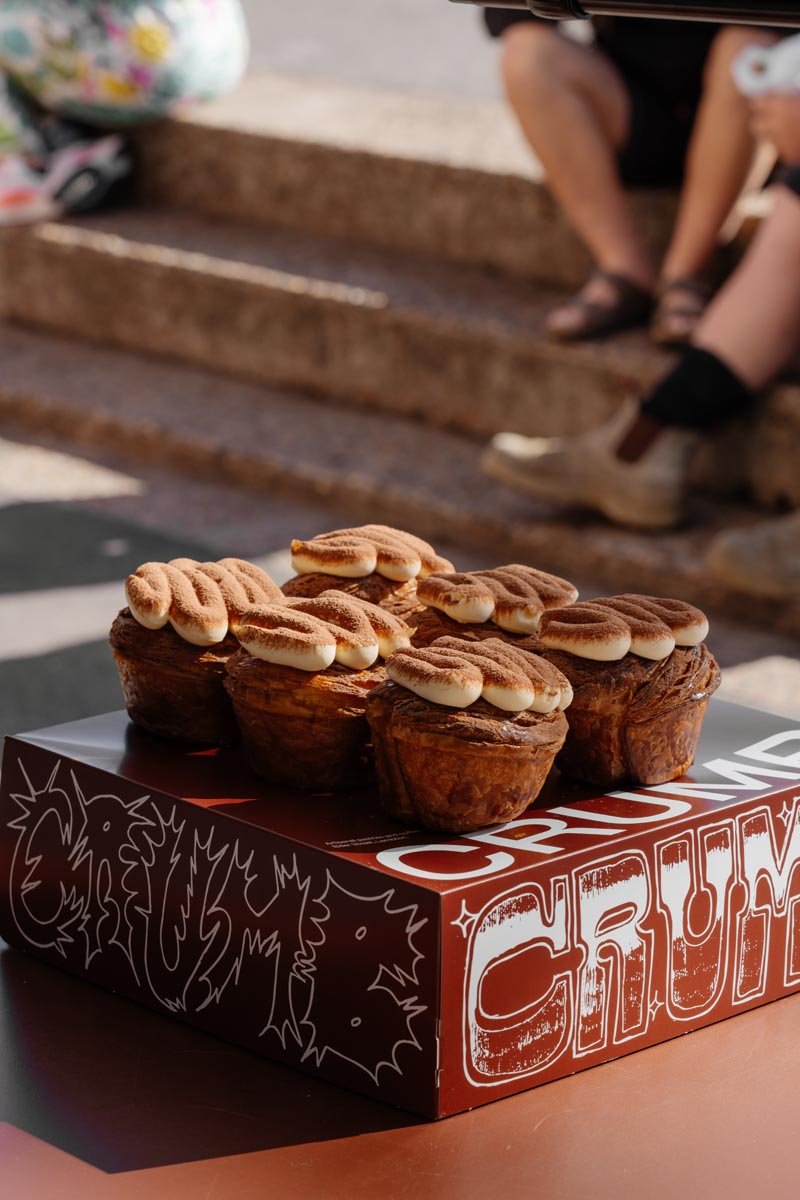
“A truly memorable pastry goes a step further. It has something distinctive that makes people pause and remember it, whether that’s an unexpected flavour combination, a perfect contrast in texture, or a clear sense of identity. ”
Are there flavours or techniques you’re excited to explore here eventually?
I’m really interested in exploring savoury applications using kimchi. I’d love to incorporate its depth of flavour into pastry in a refined and balanced way.
What’s the difference between a good pastry and a truly memorable one?
A good pastry is technically well made - it has balanced flavours, great texture and consistency. It meets expectations.
A truly memorable pastry goes a step further. It has something distinctive that makes people pause and remember it, whether that’s an unexpected flavour combination, a perfect contrast in texture, or a clear sense of identity. It leaves an emotional impression, not just a technical one.